
Every time you flick a switch or plug in a charger, you rely on safe, well-maintained wiring. But how often do you think about maintaining that wiring? In Brisbane’s humid climate and storm-prone seasons, electrical systems can degrade quietly until something sparks, literally. Imagine hosting a weekend BBQ when suddenly the lights flicker and outlets get warm. It’s a jolt (and not the good kind) that tells you the system needs attention.
That’s why regular electrical maintenance isn’t just a nice-to-have; it’s the key to keeping your home or business safe, reliable, and code-compliant. At Check Electrical, we’ve seen time and again that the problems we fix were usually “born” months earlier in corroded wires or overloaded circuits. Routine checks let us catch those issues early, long before they become emergencies.
Brisbane’s unique weather and housing quirks make electrical upkeep especially important here. For example, South East Queensland’s humidity and heat wear down electrical components faster than most people realise. As one Brisbane electrician explains, insulation breaks down sooner in our climate and metal terminals corrode where they wouldn’t in a drier place.
Add in modern power-hungry appliances—such as reverse-cycle air conditioners, induction cooktops, and EV chargers—and electrical systems can quickly be pushed beyond what their original wiring was designed to handle. Many older houses in Brisbane have switchboards tucked in unconditioned spaces like garages, leaving them vulnerable to heat and moisture. Regular maintenance is how we stay ahead of that attrition and prevent hidden faults from turning into disasters.
Why Routine Maintenance Matters
Even in cooler climates, neglecting wiring is risky. Here in Australia it’s a serious concern: electrical fires and shocks often come from faults that were developing quietly for months. When circuits get loose, insulation wears, or connections corrode, they don’t always trip breakers immediately instead they overload and heat up gradually. By the time something catches fire or trips the switch, the fault has already been brewing. By comparison, routine maintenance is like going to the dentist: finding a cavity early is way better than losing a tooth later.
Proactive upkeep saves lives and money. Licensed Brisbane electricians (like yours truly at Check Electrical) follow a structured preventive maintenance program to identify problems early. These plans include inspecting switchboards, testing safety switches (RCDs), checking wiring insulation, and even thermal-imaging panels to spot hot spots before they melt down.
As one industry expert notes, “every electrical system naturally deteriorates over time… and without a structured maintenance plan, these issues can result in…fire hazards and breaches of safety regulations”. In other words, ignoring a frayed wire can eventually lead to an avoidable house fire or a costly rebuild. By catching issues early, maintenance protects people, equipment, and your property value.
Regular checks also keep you on the right side of the law. Under Queensland’s safety laws, property owners must keep electrical systems hazard-free. The Residential Tenancies Authority (RTA) stresses that owners “must ensure the property is not in breach of any health and safety laws, including the Electrical Safety Act 2002”. In practical terms, that means if you rent out a home or simply own one, the wiring and fixtures can’t be shoddily maintained.
The RTA bluntly warns that failing to comply “can result in significant fines or even imprisonment” if someone is put at risk. In short, your duty to keep people safe isn’t just moral, it’s legal. Plus, DIY fixes can void insurance. Queensland specifically mandates that only licensed electricians may do electrical work. So putting off maintenance isn’t worth the gamble when a handful of routine checks can make all the difference.
Electrical Maintenance Services: What We Do
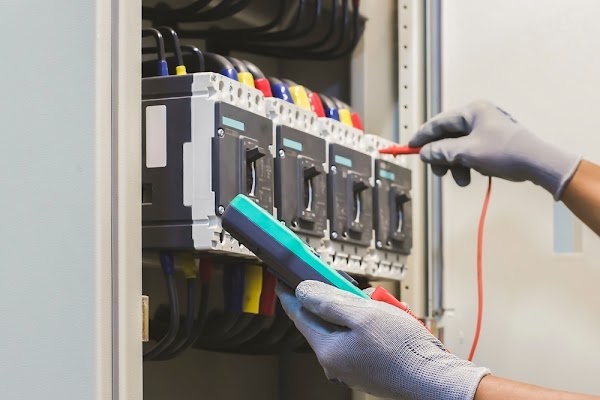
Think of electrical system maintenance as a health check for your building’s power supply. Our qualified electricians methodically go through every part of the system. We inspect the main switchboard and fuse box for loose connections or overheating, tighten up any terminals, and test every circuit breaker and safety switch (RCD) to ensure it trips properly.
We’ll walk through every room checking power points and switches for secure wiring and correct polarity. If anything is discoloured, scorched, or unusually warm to the touch, that’s a red flag we log and fix. As one Brisbane guide explains, a thorough home inspection includes testing outlets and safety switches and “checking appliances drawing serious load” too.
We also inspect outdoor and specialty systems for example, weatherproof garden lights, pool equipment or EV charger circuits. Surf and sun mean external wiring deserves attention (especially lightning protection!). We even test smoke alarms and emergency lighting. Under Queensland law, smoke alarms must be photoelectric and interconnected, so we check they’re up to code while we’re at it.
For commercial properties, the checks are just as detailed but often more frequent or to a higher standard. Things like test and tag of portable appliances, emergency exit lighting, power factor correction gear and backup generators all become part of the maintenance program. No matter the setting, the goal is the same: eliminate any possible electrical fault before it hurts someone or interrupts your business.
Electrical Safety Checklist:
- Visually inspect switchboards, breakers, and RCDs tighten any loose connections.
- Test safety switches and breakers (with calibrated gear if needed).
- Check wiring insulation and polarity on all powerpoints and light switches.
- Test and tag portable appliances for earth continuity and insulation resistance (AS/NZS 3760 compliance).
- Examine lighting fixtures and smoke alarms for correct operation (AS/NZS 2293 for commercial).
- Monitor and log any anomalies (for example, voltage fluctuations or unusual heat via thermal scans).
Residential vs Commercial Electrical Maintenance
Both homes and businesses need maintenance but their electrical maintenance needs can differ. In a residential setting, maintenance often focuses on ensuring family safety and preventing nuisance outages. We prioritize testing home safety switches (RCDs) which, by law, must protect all power circuits in Queensland homes.
We check older homes carefully for outdated wiring (like aluminium or vulcanised-rubber cable) that might need replacement. Seasonal checks in homes often align with kids going back to school or before peak summer AC use. As the local electricians Dawson Electric point out, older “Queenslanders on stumps” have different wiring risks than a new brick home, so they generally benefit from an inspection every 2–5 years depending on age.
In commercial spaces, the stakes and scale are higher. Businesses typically require more frequent inspections sometimes as often as monthly for critical equipment (like lab or medical devices). Every piece of fixed electrical gear must comply with codes (AS/NZS 3000 wiring rules, AS/NZS 3760 test-and-tag, and AS/NZS 2293 emergency lighting).
Our professional electrical maintenance services for commercial clients include service on switchboards, emergency lighting systems, HVAC controls, and even power quality monitoring. We might run a power quality log to spot subtle problems in big motors or servers. The Micron Group, an Australian maintenance firm, notes that commercial preventive maintenance extends equipment life and avoids costly downtime.
In other words, an office full of computers losing power for hours is usually much worse (and more expensive) than losing power for one house for a few minutes. That’s why businesses often have an ongoing maintenance contract, the cost is easily justified by preventing just a single disaster.
| Property Age (Brisbane) | Recommended Inspection Frequency |
| Homes built after 2000 | Every 3–5 years (if no major upgrades) |
| Homes built 1980–1999 | Every 2–3 years (older wiring starts to fatigue) |
| Homes built before 1980 | Every 1–2 years (biannual inspections recommended) |
Finding Qualified Help
We can’t overstate it: Hire licensed electricians, always. Queensland’s Electrical Safety Office (a state government agency) explicitly forbids DIY electrical work. In their sample safety plan, they list it as a mandatory requirement: “Licensed electricians must be used for electrical work”. Safety switches must be tested, and any fixed equipment inspected annually.
Basically, to stay out of legal trouble and keep everyone safe, you need professionals like us. At Check Electrical, our team holds QBCC and EQL licensing and follows all the codes of practice. We bring both tools and tech everything from thermal cameras to modern test equipment to uncover problems you’d never spot by yourself.
Doing maintenance with us also means clear documentation. For homes we’ll give you a report or certificate (often needed by insurers or banks); for businesses, we maintain a compliance register (like logging every RCD test as per AS/NZS 3760). This paperwork proves you’ve done your duty of care. If an emergency does happen, say, a circuit breaker fails, our past maintenance can be the difference between a quick fix and an extended outage.
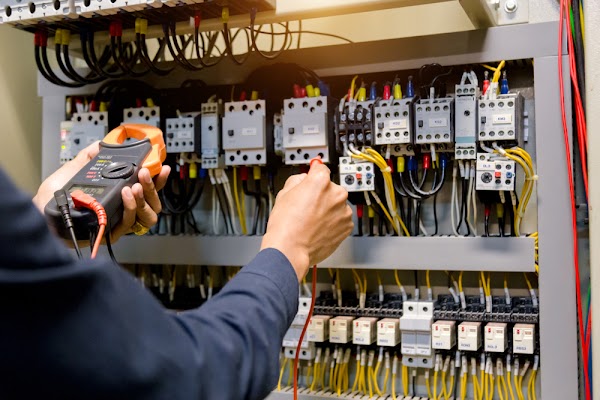
Whether it’s a unit in the West End or a warehouse in North Lakes, our electricians handle it all. In the photo above, you see our team inspecting a commercial switchboard is just one step in our process to ensure each circuit is well-managed. People often ask, “How do I know if my system needs a check right now?” Aside from the obvious warning signs (flickering lights, burning smells, tripping circuits see sidebar), a good rule of thumb is simple: don’t wait until an actual emergency. Many Brisbane families and businesses find scheduling an inspection before the storm season or major events (like hosting guests) gives them peace of mind.
According to Australian electrical safety advice, regular inspections ensure your property stays compliant, “reducing the risk of fines and penalties while safeguarding occupants against hazards”. In practice, that means a safe switchboard won’t mysteriously shut off mid-meal or day, and you won’t be left in the dark wondering if your wiring is secretly fraying. As one Queensland rental guide puts it, having your electricals in order protects “the safety of their tenants and property” but even if you just own your home, the same idea holds.
How Often is Enough?
There’s no one-size-fits-all, but Brisbane pros generally recommend based on building age and use:
Homes built since 2000: Typically OK with an inspection every 3–5 years if nothing major changes (like adding an aircon or renovating).
1980s–1990s builds: These may need checking every 2–3 years, since the classic TPS cable starts getting brittle around 30 years old.
Pre-1980 houses: Best to treat these as biannual check-ups. If safety switches aren’t covering all circuits (common in older homes), we’ll catch it in a 6-month or yearly service.
Very old (pre-1960): Urgent. Their vulcanised rubber cables can harden and crack over time. If you haven’t had a full wiring assessment in a decade, do it now.
For commercial sites, the schedule depends on the industry: office buildings often inspect annually, shops might do it more often (since changing lighting layouts, equipment), and specialized facilities (like labs or clinics) follow stricter plans. The key is an electrical maintenance program tailored to your property’s demands, climate risk, and legal requirements.
Conclusion
Regular electrical maintenance isn’t just about ticking a safety box, it’s about stopping trouble before it strikes. By staying on top of electrical system maintenance, you protect your loved ones or employees, avoid messy repairs, and comply with Queensland’s strict safety laws. Brisbane’s unique environment thinks sweltering summers, monsoonal storms and eclectic old homes that care is especially crucial.
When professionals systematically check wiring, test RCDs, inspect outlets and update old components, they keep your property running smoothly and safely. As one Brisbane electrician put it, most serious electrical incidents “come from faults that were quietly developing for months”. Regular maintenance is how we find those faults quietly, on our schedule, not during your biggest party.
Ready to put your mind at ease? The team at Check Electrical is here to help. We offer tailored electrical maintenance services for both homes and businesses across Brisbane. Whether you need a one-off safety inspection or an ongoing maintenance plan, we’ll handle it with expertise and a friendly smile. Don’t wait for the next flicker, pop or tripped breaker contact us today and let’s schedule your service. Your safety (and your peace of mind) are worth it!
FAQs
Why is regular electrical maintenance important?
Regular electrical maintenance helps identify hidden faults before they become serious safety hazards. It reduces the risk of electrical fires, power failures, and costly repairs while keeping your property safe and compliant.
What does routine electrical maintenance include?
Routine electrical maintenance includes inspecting switchboards, testing safety switches (RCDs), checking wiring, outlets, and circuit breakers, and ensuring all electrical components are operating safely and efficiently.
How often should I schedule electrical maintenance?
Most Brisbane homes should have an electrical inspection every 3–5 years, while older properties or commercial buildings may require more frequent checks. A licensed electrician can recommend the right schedule based on your property’s condition and usage.
Can I handle electrical maintenance myself?
No. Electrical maintenance should always be carried out by a licensed electrician, as DIY electrical work is illegal and unsafe in Australia. Professional inspections ensure your system meets Australian safety standards.
What are the benefits of hiring professional electrical maintenance services?
Professional electrical maintenance services improve safety, ensure compliance, extend the life of your electrical system, and help prevent unexpected breakdowns. You’ll also receive expert advice and documentation for insurance or compliance purposes.
